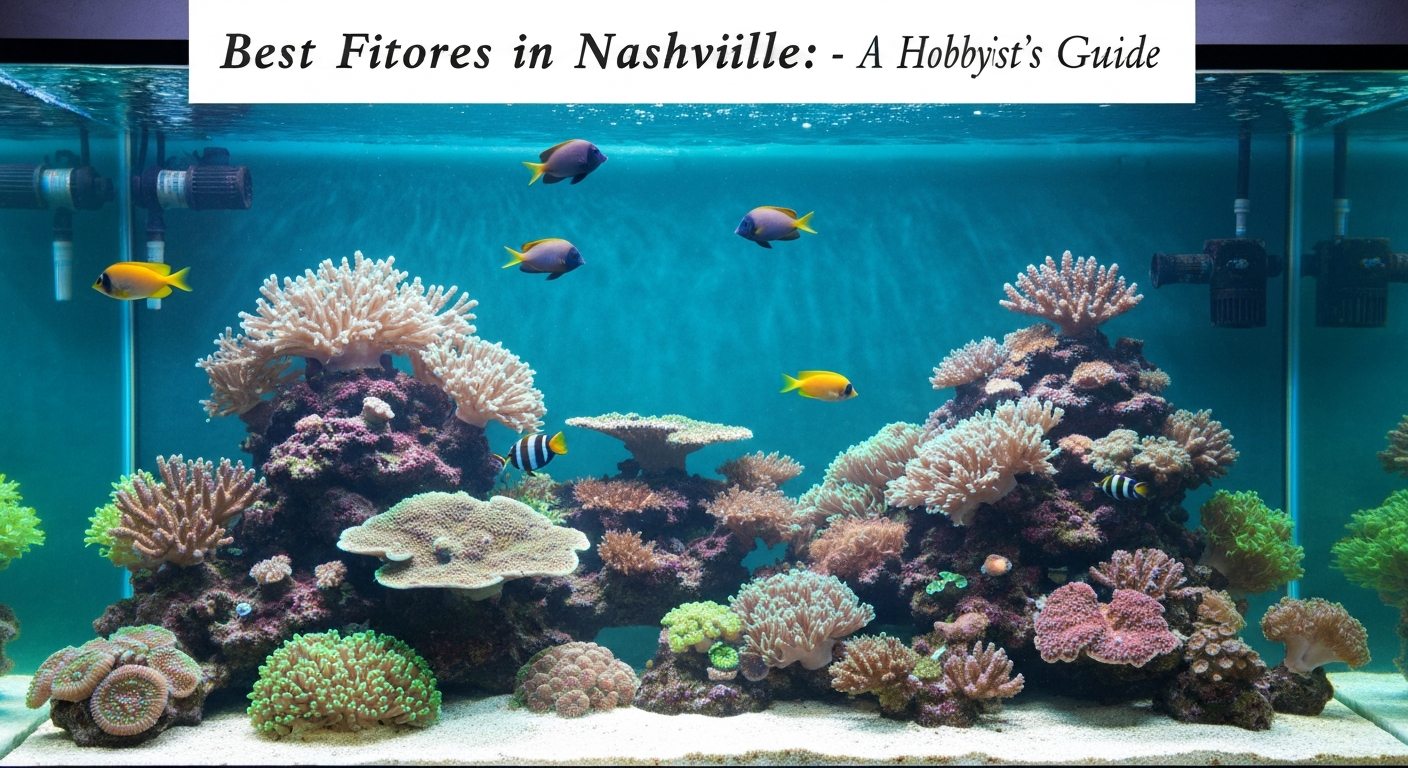
Nashville's Aquarium Scene
Nashville's aquarium hobby scene is younger than many comparably sized cities, but it is growing fast. The city's explosive population growth over the past decade has brought in a wave of transplants from reef-heavy coastal markets — Florida, California, and the Gulf Coast — who have raised the bar for what local stores need to stock and know. Today, Nashville supports a diverse mix of freshwater-focused neighborhood shops and increasingly sophisticated reef and coral retailers, all built on a strong Tennessee cichlid tradition that predates the city's recent boom. If you have not visited the Nashville aquarium scene in a few years, it is worth a fresh look.
Why Nashville Thrives in Fish Store Culture
Tennessee has deep roots in cichlid keeping — the state's water chemistry and strong club culture have supported African and New World cichlid enthusiasts for decades. The Tennessee Aquarium Society (TAS) runs regular auctions and educational events that keep quality livestock circulating among hobbyists outside of retail. Nashville's warm climate also extends the outdoor pond and koi season significantly compared to northern cities, making this one of the better markets in the South for pond fish and supplies. Warm-weather transplants have brought reef keeping enthusiasm and spending power that has supported several dedicated coral shops in the metro over the past five years.
What to Look For
Nashville stores vary meaningfully in quality, so doing some homework pays off. Look for shops with full, healthy tanks — sparse or empty display tanks can indicate supply or management issues. Ask about livestock arrival schedules and whether new fish are quarantined before going out for sale. For reef stores, look for stable water parameters and active coral polyp extension as indicators of a well-run system. Local hobbyist groups on social media are an excellent source of current store recommendations in a market that is still evolving quickly. Browse Tennessee fish stores on LFS Directory to find shops near you.
Store Types Available
Cichlid Specialists are the historical backbone of the Nashville aquarium market, with both African Rift Lake and New World cichlid selections appearing across multiple stores. Reef and Coral Shops have grown significantly in the past five years, with dedicated marine retailers now serving the city's expanding saltwater community. General Tropical Fish Stores carry community freshwater selections and serve casual and beginner hobbyists across the metro. Pond and Koi Retailers are active in the Nashville suburbs, where the long warm season makes outdoor water features practical for most of the year.
Visiting Tips
Nashville's best stores are spread across a large metro that includes Brentwood, Franklin, Murfreesboro, and Hendersonville in addition to the city core. Weekday mornings tend to be the best time to visit — tanks are freshest, livestock deliveries have been processed, and staff have more time to assist. Ask specifically about locally bred or locally grown livestock: Nashville has a solid community of hobbyist breeders who supply some stores with quality cichlids, livebearers, and frags. Interstate traffic in the Nashville metro has become increasingly challenging at peak hours — use real-time navigation and avoid the I-24/I-65/I-40 interchange area during rush hour.
Water Quality Considerations
Nashville draws its water from the Cumberland River and Old Hickory Lake, treated by Metro Water Services. The result is moderately hard, slightly alkaline water — typically pH 7.4–7.6 with moderate hardness around 150–200 ppm. This profile is excellent for cichlids and livebearers, which thrive in alkaline, moderately hard water, and acceptable for most community tropical fish without treatment. Soft-water species like discus, wild tetras, and many South American dwarf cichlids will benefit from RO blending to lower hardness and pH. Planted tank enthusiasts may want to adjust depending on the plants being kept. Reef keepers almost universally use RO/DI units as standard — the local mineral content makes high-purity source water essential for stable reef chemistry.