Austin's Aquarium Scene
Austin has emerged as one of Texas's most exciting cities for aquarium hobbyists. Fueled by a decade of explosive population growth and a culture that values local and independent businesses, Austin's fish store scene is distinct from Dallas and Houston — smaller, more curated, and deeply community-connected.
Why Austin Thrives in Fish Store Culture
Austin's tech-driven population includes many hobbyists with disposable income and a passion for high-end reef and planted setups. The Austin Reef Club is one of the most active reef communities in Texas, hosting well-attended frag swaps and regular group buys. The city's independent spirit means local fish stores here tend to have strong personalities and loyal customer bases.
What to Look For
Healthy livestock, knowledgeable staff with personal tank experience, clearly labeled corals and fish, and visible quarantine or holding systems. Given Austin's competitive store landscape, the shops that survive tend to be genuinely good — expect quality at the top tier of the market.
Store Types Available
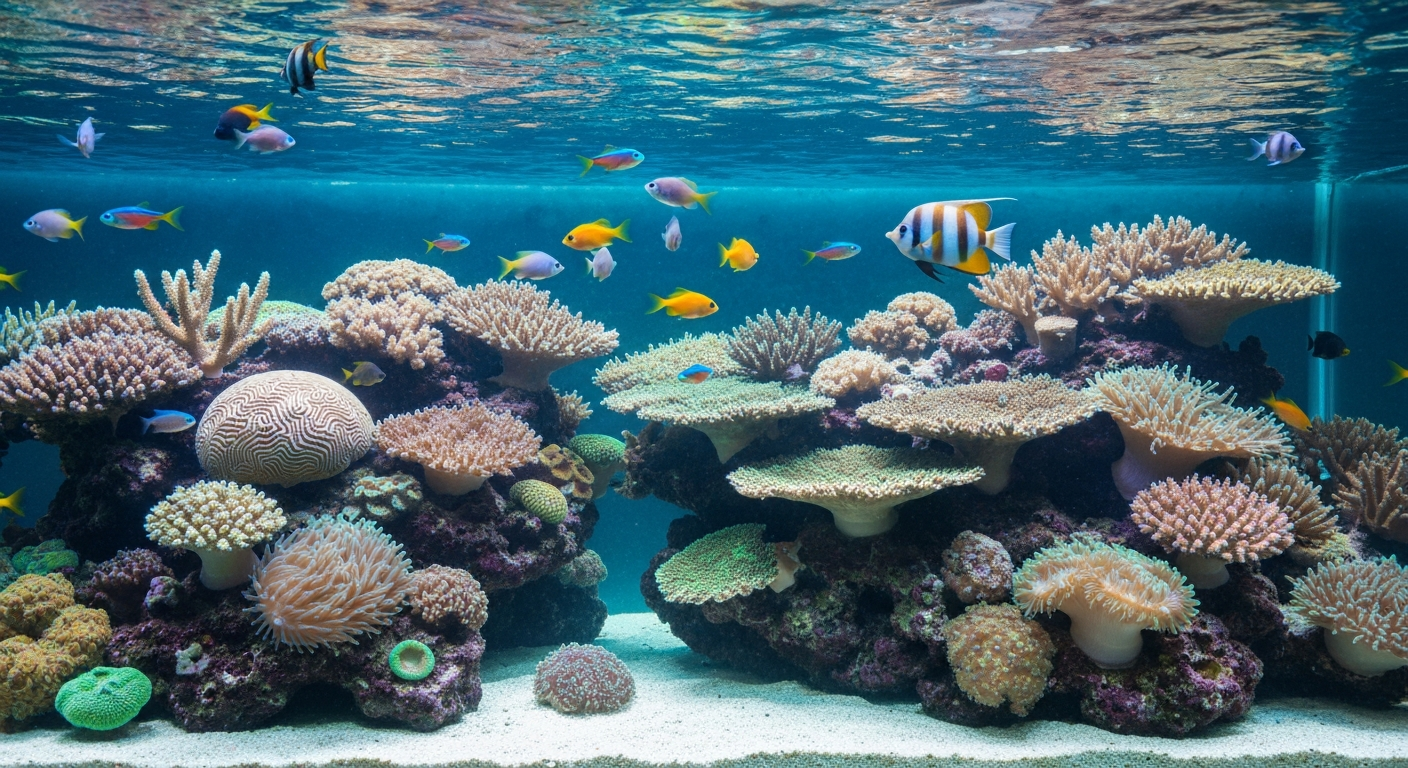
Reef and Saltwater Specialists are well represented, with several shops focusing exclusively on corals and marine life for the strong local reef community. Planted Tank Dealers serve Austin's growing aquascaping scene with quality plants, soils, and hardscape. General Freshwater Shops stock community fish, cichlids, and livestock appropriate for beginner setups.
Visiting Tips
Austin traffic — particularly on I-35 — can rival Houston for frustration. Plan store visits mid-week or early morning. Many Austin reef hobbyists also leverage the Austin Reef Club's group buys and member frag sales, which can offer better value than retail for coral purchases.
Water Quality Considerations
Austin's water is sourced from the Highland Lakes (Lake Travis and Lake Austin) and is moderately hard with elevated calcium and carbonate hardness. This makes it naturally suited to African cichlids and hard-water livebearers but less ideal for soft-water species. Planted tank enthusiasts and reef keepers should use RO/DI filtration for best results.
Explore More
Browse all Austin fish stores on LFS Directory, or check out these related guides: